Defensible Space
Defensible Space Design in Napa, Solano & Contra Costa Counties
Professional design with project management oversight with ongoing defensible space monitoring around homes, vineyards, and commercial properties.
$1M
Liability Insurance
4
Verified Certifications
3
Counties Served
Defensible Space Design
What Is Defensible Space Design?
Red Lion designs defensible space across Napa, Solano, and Contra Costa counties to Cal Fire PRC 4291 standards for Zones 1 and 2 and the AB 3074 Zone 0 ember-resistant requirements. Every design is built around the property’s terrain, structures, and existing landscape rather than a generic template. Property owners engage their own vetted contractors to carry out the physical work, with Red Lion overseeing the project against the plan.
three zones
How Defensible Space Is Structured
Cal Fire divides the area around every structure into three defensible space zones under Public Resources Code 4291 and the Board of Forestry regulations, each with its own rules for vegetation, spacing, and materials. Every Red Lion project addresses all three.
Zone 0
Ember Resistant Zone
0 to 5 feet from structures. The most critical zone. No combustible materials, no woody plants, no wood mulch, and nothing stored against the structure. This is where ember strikes cause the majority of structure ignitions. The Zone 0 ember-resistant zone was mandated by Assembly Bill 3074 and adopted by the Board of Forestry; Red Lion designs to the Zone 0 standard on every project.
Zone 1
Lean Clean & Green
5 to 30 feet from structures. Well spaced, low growing, fire adapted plants only. Trees limbed up six feet from the ground. No dead vegetation, no leaf litter, no dry grass. This is where landscape design work matters most .
Zone 2
Reduced Fuel Zone
30 to 100 feet from structure. Larger trees spaced out to break the fuel ladder, brush is thinned, and ground fuels reduced. The objective is to slow fire and reduce its intensity before it reaches Zone 1. On sloped properties, this zone extends further downhill to provide extra mitigation.
Property Type
Defensible Space Design By Property Type
Defensible space looks different around a vineyard estate than it does around a suburban home or a commercial site. Select the closest match to your property to learn about our specialist approach.
Residential Defensible Space
Designed for homeowners across Napa, Solano, and Contra Costa counties. Zone 0 clearance, native planting, and defensible space aligned to your household’s evacuation plan.
Commercial Defensible Space
Tailored for business owners and property managers across the North Bay and East Bay. Defensible space covering commercial buildings, parking areas, and outbuildings.
HOA Defensible Space
Serving homeowner associations and community boards. Defensible space planning across neighborhood scale risk, shared common areas, and coordinated mitigation.
Multi Unit & Rental Defensible Space
Developed for apartment owners and rental property portfolios. Defensible space aligned to tenant safety, structural risk, and coordinated evacuation planning.
Institutional Defensible Space
Suited to schools, places of worship, and community facilities. Defensible space focused on occupant safety and continuity of service through fire season.
Equestrian & Ranch Defensible Space
Made for working ranches, stables, and equestrian estates. Defensible space across pastures, barns, livestock evacuation routes, and rural water systems.
Estates Defensible Space
Crafted for owners of luxury estates and large private properties across the North Bay and East Bay. Defensible space covering main residences, guest houses, and grounds.
Farm Defensible Space
Serving farm operators across Napa, Solano, and Contra Costa. Defensible space around crop assets, equipment sheds, packing houses, and workforce housing.
Vineyards Defensible Space
Delivered for Napa and Solano estate owners and vineyard managers. Defensible space across canopy fuel, hillside blocks, smoke exposure, and workforce evacuation.
why choose red lion wildfire defense
Certified Specialists For Defensible Space Design
Defensible space work sits at the intersection of arboriculture, fire behavior, and land management. Our credentials in each of those disciplines are verifiable before we ever start a design.
ISA Certified Arborist
Science backed knowledge of tree biology, safety, and proper long-term maintenance. Essential for identifying which trees need to be removed and which fire-resistant canopy trees should be pruned and preserved to block ember pathways.
Certified Wildfire Mitigation Specialist
Verifies advanced knowledge in wildland fire science, home hardening, Home ignition zone, defensible space and community-wide planning within the Wildland-Urban Interface (WUI).
Cal Fire Timber Operator
Licensed Timber Operator B. Under California’s Z’berg-Nejedly Forest Practice Act, strictly follow the Forest Practice Rules and proves we know how to work safely inside sensitive forest ecosystems: for Watercourse Protection, Erosion Control, and Fire Prevention.
Fire Fighter 2 Trained
NWCG certified 2026 Wildland Firefighter Type 2 status. We apply the same fire behavior science used by the U.S. Forest Service and CAL FIRE to read how fire will move across your specific terrain and topography.
Our Process
How A Defensible Space Project Works
Every defensible space project starts with an assessment and continues with ongoing monitoring. The design is grounded in your property’s specific risks and carried out by the vetted contractors you engage.
01
Assessment First
If you haven’t already had a Red Lion wildfire risk assessment, that’s step one. It identifies the defensible space and home hardening needs specific to your property, zone by zone.
02
Defensible Design Plan
We create a written design covering all three zones, plant selection, hardscape, and phasing. You review and approve the plan before any contractor is engaged.
03
Design & Oversight
Red Lion delivers the design to the vetted contractors you have engaged for clearance and planting work and oversees the project against the plan so what gets built matches what was scoped.
04
Ongoing Monitoring
Defensible space grows back. Red Lion returns on your monitoring schedule to inspect against the plan and flag what needs attention in a documented report so your contractors address it before the next fire season.
Recent Project
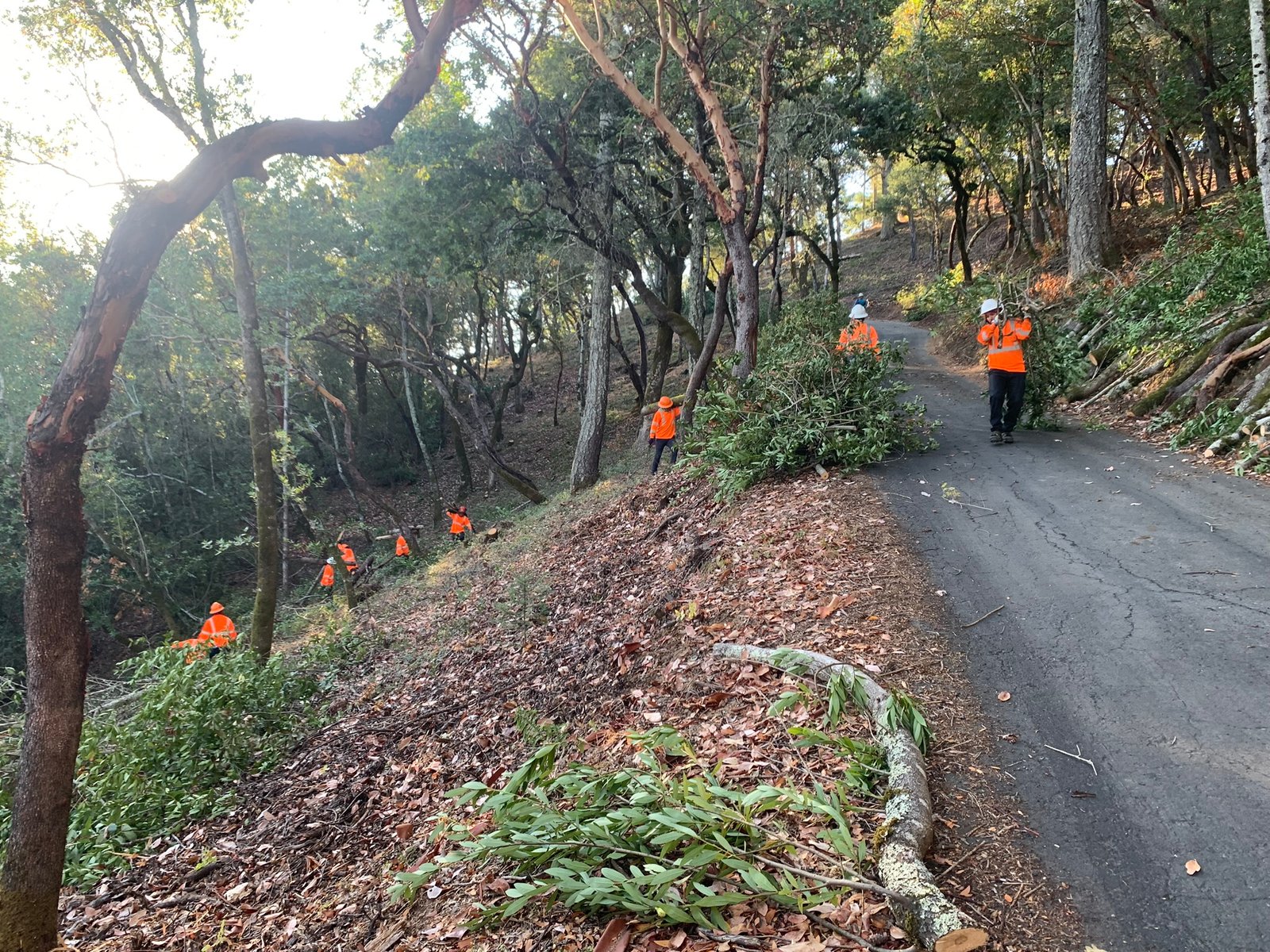
Defensible Space & Fuel Reduction Project
Photos from a recent project where the defensible space and fuel reduction activities were identified and actioned on to protect some building close by.
faq
Defensible Space Design FAQ
Common questions from property owners considering a defensible space project. If yours isn’t here, book a consultation and ask Kevin and team directly.
Do I need a wildfire risk assessment before defensible space work?
Every Red Lion defensible space project starts with a wildfire risk assessment, because the design should be grounded in your property’s specific risks rather than a generic template. If you’ve already had an assessment with us, we move straight to the design phase.
What are Cal Fire's defensible space rules?
Cal Fire’s defensible space requirements are set by Public Resources Code 4291 and the Board of Forestry regulations. Zone 1 (0 to 30 feet, lean clean and green) and Zone 2 (30 to 100 feet, reduced fuel) have been enforceable for years. Zone 0, the 0 to 5 foot ember-resistant zone, was mandated by Assembly Bill 3074 and adopted by the Board of Forestry; it requires no combustible materials, no woody plants, no wood mulch, and nothing stored against the structure. Every Red Lion project addresses all three zones.
How long does a defensible space project take?
Depends on property size, terrain, and how much existing vegetation needs clearing. A typical residential property takes one to two weeks. Vineyards and larger estates can take four to eight weeks and often benefit from phasing the work across two seasons.
Do you use California native plants?
Yes, wherever possible. Native species survive California summers with less water, support local biodiversity, and are far less likely to become fuel when they mature.
How often does defensible space need maintenance?
At least annually. Vegetation grows back, fuel accumulates, and neighboring conditions shift. We offer an annual review that includes a re-inspection against the design plan, documentation of what needs attention, and coordination with vetted contractors for pruning, replacement plantings, or Zone 0 clearance before fire season peaks.
Will a defensible space help with insurance renewal?
Insurers increasingly want documented defensible space work as a condition of coverage or renewal. Our completion reports are formatted specifically to support insurance conversations, including the documentation carriers typically request.
Related Services
Related Services
Defensible space is one part of a full property defense. These are the services most often paired with it, from the assessment that shapes the design to the monitoring that keeps it working.
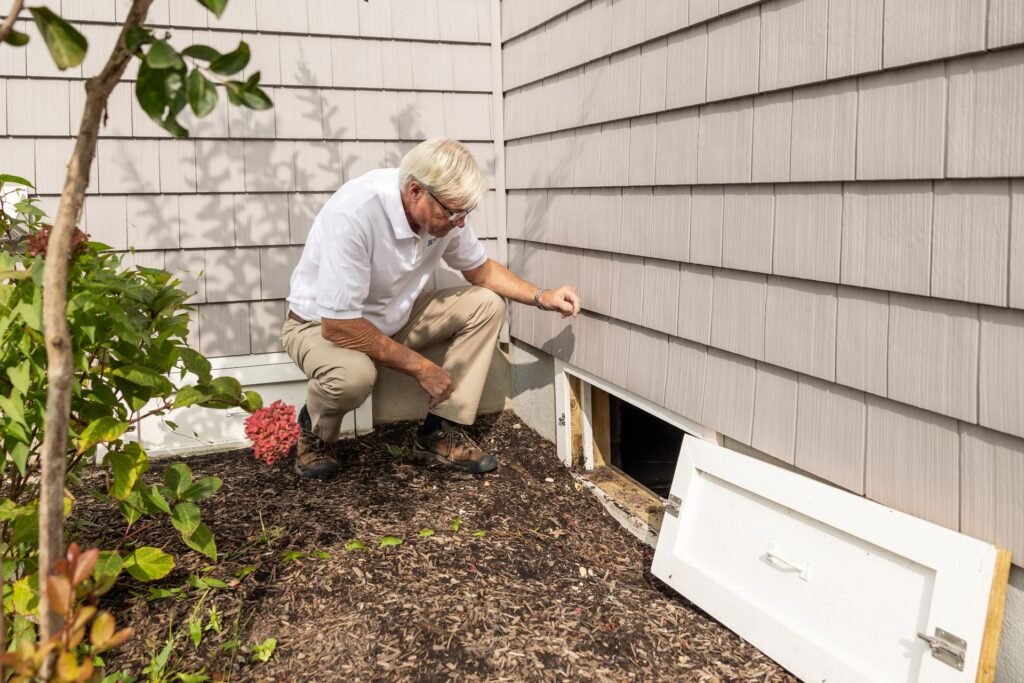
Wildfire Risk Assessment
Detailed property evaluations scored across vegetation, structure hardening, water access, and evacuation routes. Written reports you can act on.
Home Hardening Design
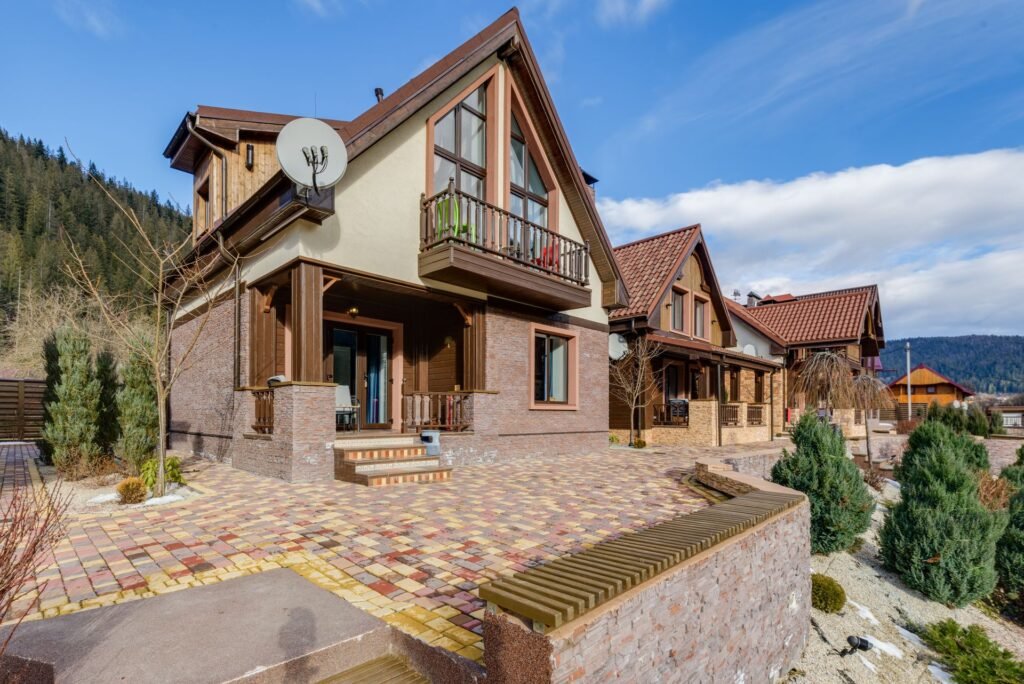
Structural work at the six points where embers most commonly ignite homes. Roofs, vents, windows, decks, siding, and gutters, hardened together as a system.

Wildfire Defense Monitoring
Ongoing monitoring of vegetation, hardscape and installed defensible space, scheduled to protect you during peak fire weather rather than clean up after it.
Schedule Consultation Call
Book A Free Defensible Space Consultation For Napa, Solano Or Contra Costa
Speak directly with Kevin about your property and location. He’ll help you understand what defensible space work fits your situation and whether an assessment is needed first. You’ll receive a confirmation email shortly after booking.