Home Hardening Design
Home Hardening Design Upgrades & Inspections In Napa, Solano & Contra Costa
Red Lion identifies the six points where wildfires most commonly ignite homes. We design ember-resistant upgrades to Cal Fire Chapter 7A standards and specify what qualified contractors would need to install.
$1M
Liability Insurance
4
Verified Certifications
3
Counties Served
Home Hardening
Home Hardening For Homes, Properties & Structures
Home hardening upgrades a structure’s most fire vulnerable components with ember resistant materials. Most California homes destroyed by wildfire are not overrun by flames. They ignite from embers landing on a roof, entering a vent, or catching on a wooden deck.
Red Lion designs home hardening plans across Napa, Solano, and Contra Costa counties, specifying Cal Fire Chapter 7A materials and IBHS guidance throughout.
Why Choose Red Lion Wildfire Defense
Fully Insured & Certified Wildfire Home Hardening Experts
Home hardening review and design is safety critical work, and clients deserve to know exactly who is walking their property. We hold active accreditations across arboriculture, wildland fire behaviour, and community fire protection standards. We show them before we consult, not after.
ISA Certified Arborist
Science backed knowledge of tree biology, safety, and proper long-term maintenance. Essential for identifying which trees need to be removed and which fire-resistant canopy trees should be pruned and preserved to block ember pathways.
Certified Wildfire Mitigation Specialist
Verifies advanced knowledge in wildland fire science, home hardening, Home ignition zone, defensible space and community-wide planning within the Wildland-Urban Interface (WUI).
Cal Fire Timber Operator
Licensed Timber Operator B. Under California’s Z’berg-Nejedly Forest Practice Act, strictly follow the Forest Practice Rules and proves we know how to work safely inside sensitive forest ecosystems: for Watercourse Protection, Erosion Control, and Fire Prevention.
Fire Fighter 2 Trained
NWCG certified, Fire Forward trained, Good Fire Alliance credentialed, with current 2026 Wildland Firefighter Type 2 status. We apply the same fire behavior science used by the U.S. Forest Service and CAL FIRE to read how fire will move across your specific terrain and topography.
6 Ignition Points
Where Homes & Structures Are Vulnerable To Wildfire
Post-fire investigations consistently identify the same six ignition points on lost structures. Every Red Lion home hardening design addresses all six.
01
Roof
The single highest impact upgrade. Class A composition, metal, or tile roofing with sealed edges resists ember attack and radiant heat. A wood shake roof is often the difference between a saved home and a lost one.
02
Vents
Ember-resistant 1/8 inch mesh vents block the airborne embers that ignite most homes. Attic, foundation, and gable vents are the most common entry points and the cheapest hardening upgrade per dollar of protection.
03
Windows
Dual pane tempered glass resists radiant heat and thermal shock. Single pane windows crack under fire exposure, letting embers and flames into the structure directly. Frame material matters too.
04
Decks & Attachments
Wood decks catch embers and burn from underneath, then spread fire to the structure itself. Non-combustible or ignition-resistant decking materials, plus clear space beneath, eliminate this pathway.
05
Siding & Trim
Fiber cement, stucco, or ignition-resistant siding stops fire at the wall. Wood siding, particularly near corners and eaves, catches embers and burns through to the framing behind it.
06
Gutters & Fences
Clogged gutters and wooden fences act as fuses. Metal gutters with guards prevent debris ignition. Non-combustible fence sections within five feet of the structure stop fire from travelling to the wall.
Property Type
Home Hardening By Property Type
Hardening priorities look different on a suburban home than on a commercial building or a hillside estate. Select the closest match for how Red Lion approaches your property type.
Residential Home Hardening
Designed for homeowners across Napa, Solano, and Contra Costa. Hardening plans cover roofs, vents, decks, siding, and windows to Chapter 7A standard.
Commercial Structure Space
Scoped for business owners and property managers in the North Bay and East Bay. Structural specifications across offices, warehouses, and outbuildings.
HOA Home Hardening
Shaped for homeowner associations and community boards. Coordinated hardening plans across multiple properties in a neighborhood with shared standards.
Multi Family & Rentals Hardening
Developed for apartment owners and rental property portfolios. Hardening specifications across shared buildings, common areas, and tenant exposures.
Institutional Structure Hardening
Tailored for schools, places of worship, and community facilities. Plans focus on occupant safety and the structural resilience of continuously used buildings.
Equestrian & Ranch Hardening
Written for working ranches, stables, and equestrian estates. Hardening plans cover pastures, barns, livestock evacuation routes, and rural water systems.
Estate Property Hardening
Crafted for owners of luxury estates and large private properties. Hardening specifications across main residences, guest houses, and outbuildings.
Farm Structure Hardening
Suited to farm operators across Napa, Solano, and Contra Costa. Plans cover equipment sheds, packing houses, barns, and workforce housing.
Vineyard Hardening
Specialized for Napa and Solano estate owners and vineyard managers. Hardening plans across estate residences, barrel rooms, and outbuildings.
Our Approach
Three Things That Separate Red Lion
Home hardening is common across Northern California. Specifying the right materials, holding contractors to Chapter 7A standard, and verifying the install is not.
01
Cal Fire Chapter 7A Materials
Every material we specify is approved under California Building Code Chapter 7A, the wildland urban interface standard. That means listed, tested, and documented performance under ember attack and radiant heat.
02
IBHS Wildfire Prepared Guidance
We follow the Insurance Institute for Business and Home Safety Wildfire Prepared Home framework. It’s the standard insurers increasingly use to evaluate risk, and our documentation supports policy renewals and appeals.
03
Independent Oversight
Red Lion writes the design to Chapter 7A standard without any tie to the contractors who will install it. No upsell pressure, no supplier commissions, no conflict of interest between the specification and the install.
What’s Included
What A Home Hardening Design Project Covers
- Priority ranked hardening plan from your assessment
- Roof upgrade or replacement to Class A standard
- Deck, siding, and trim hardening or replacement
- Photo documentation before, during, and after
- Cal Fire Chapter 7A approved material selection
- Ember-resistant vent installation across all openings
- Window and gutter upgrades where needed
- Insurance ready completion report
FAQ
Home Hardening FAQ
Common questions from property owners considering a home hardening design engagement. If yours isn’t here, book a consultation and ask Kevin directly.
Do I need a wildfire risk assessment before home hardening work?
Every Red Lion home hardening project in Napa, Solano, and Contra Costa starts with a wildfire risk assessment. The assessment identifies which of the six ignition points on your specific property need attention and in what order, so you spend on the upgrades that actually reduce your risk rather than a generic materials checklist. If you’ve already had a Red Lion wildfire risk assessment, we skip this step and move straight to the priority plan.
What is Cal Fire Chapter 7A and why does it matter for home hardening?
Cal Fire Chapter 7A is the section of the California Building Code that sets ignition-resistant construction standards for homes in Wildland-Urban Interface Fire Areas, which covers most of Napa, Solano, and Contra Costa counties. It specifies tested and approved materials for roofs, vents, siding, decks, and windows — the six points where embers most commonly ignite structures. Every material Red Lion specifies is Chapter 7A listed, which matters for both wildfire survivability and insurance documentation.
How long does a home hardening project take?
A home hardening design engagement in Napa, Solano, or Contra Costa typically takes two to four weeks for assessment and plan delivery. The physical install carried out by your contractors takes anywhere from one day to three weeks depending on scope. A vent upgrade takes a day, a Class A roof replacement two to three weeks. Owners can phase the install across two seasons.
Does home hardening help with wildfire insurance in California?
Documented home hardening often helps homeowners in Napa, Solano, and Contra Costa with insurance renewal, premium discounts, and California FAIR Plan applications. California’s Safer from Wildfires framework requires insurers to recognize specific mitigation actions including Class A roofing, ember-resistant vents, and defensible space. Red Lion’s design documentation is formatted so your contractor’s completion records plus the specification together give carriers the paper trail they need. Final outcomes depend on your carrier.
How much does home hardening design cost in Napa and Solano counties?
Design engagement cost depends on property type, size, and scope. A straightforward residential plan runs lower than a multi-building estate specification. Red Lion quotes after the free consultation and the wildfire risk assessment. Separately, the install cost through your contractors depends on scope. A vent upgrade can run a few hundred dollars. A full Class A roof replacement runs into the tens of thousands. The design engagement is a fixed Red Lion fee. The install is between you and your contractor.
What's the difference between home hardening and defensible space?
Home hardening upgrades the structure itself with ember-resistant materials — roof, vents, siding, decks, windows, and gutters — so embers can’t ignite the building. Defensible space manages the vegetation and landscaping around the structure in Zones 0, 1, and 2 so a fire has less fuel to reach the building in the first place. Both are required for genuine wildfire protection in Napa, Solano, and Contra Costa, and Red Lion designs them together.
Will home hardening save my house in a wildfire?
Home hardening dramatically improves a structure’s survival odds in a wildfire but does not guarantee it. Post-fire investigations across California consistently show that homes with Class A roofs, ember-resistant vents, non-combustible decks, and maintained defensible space survive at far higher rates than neighboring unhardened homes, even in extreme fire conditions. The combination of hardening and defensible space is what moves the odds, which is why Red Lion addresses both as part of every project in Napa, Solano, and Contra Costa.
Related Services
Related Services
Hardening the structure works best when the vegetation around it, the baseline assessment behind it, and the ongoing monitoring beside it all support the design. These are the services most homeowners combine with a hardening design engagement.
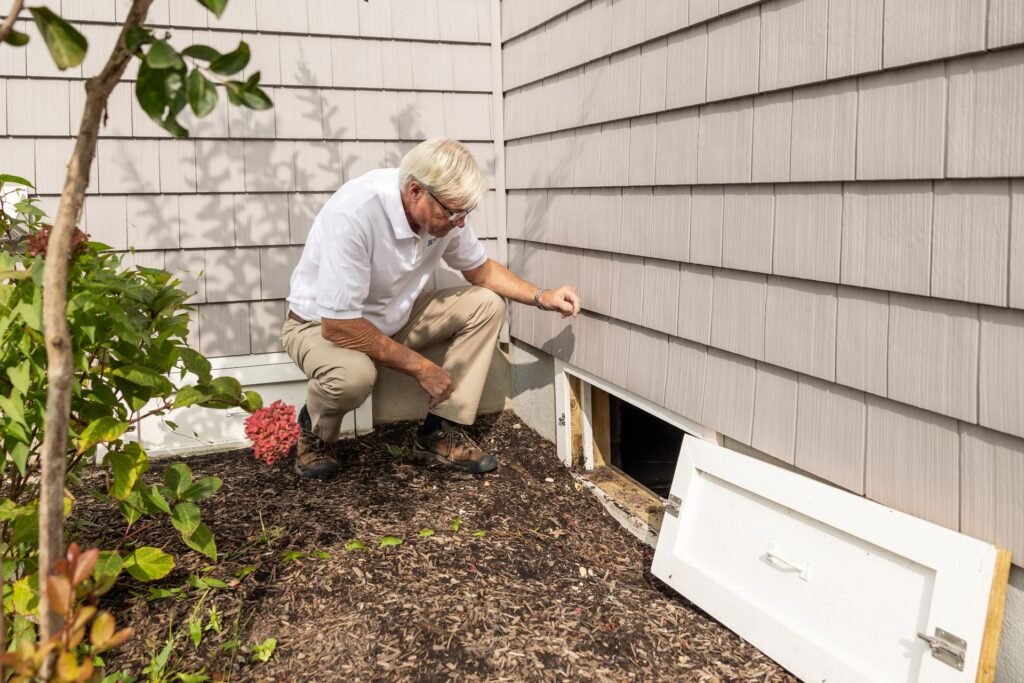
Wildfire Risk Assessment
Detailed property evaluations scored across vegetation, structure hardening, water access, and evacuation routes. Written reports you can act on.
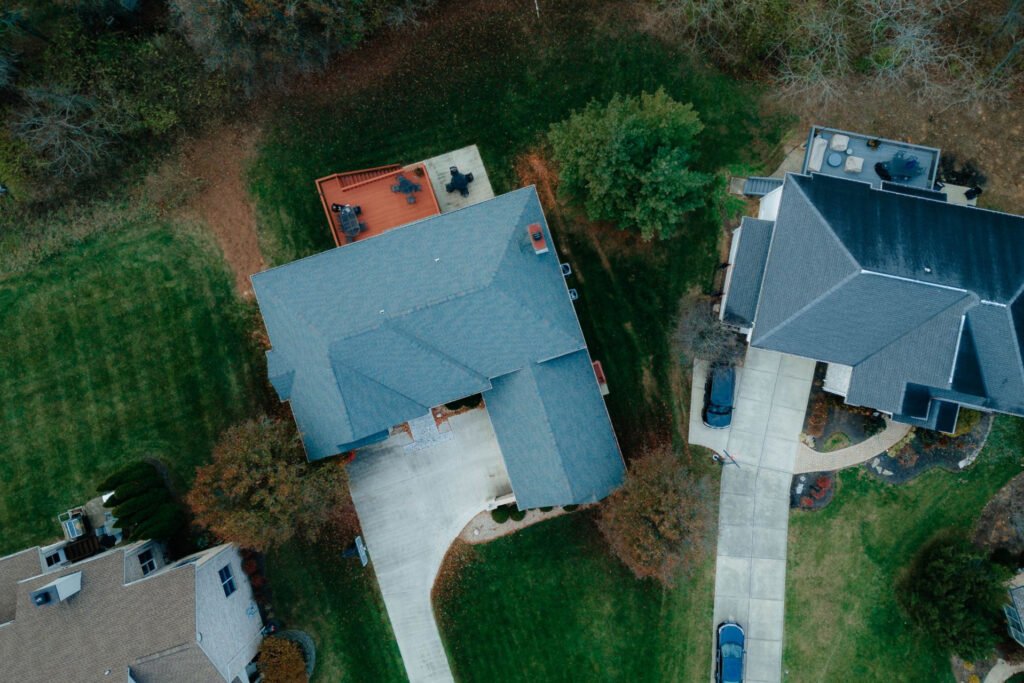
Defensible Space Design
Zone 0, 1, and 2 planning with plant selection, spacing, and installation aligned with Cal Fire standards. Native planting and property appropriate design throughout.

Wildfire Defense Monitoring
Ongoing upkeep of vegetation, hardscape, and installed defensible space, scheduled to protect you during peak fire weather rather than clean up after it.
Schedule Consultation Call
Book A Free Home & Property Hardening Design Consultation
Speak directly with Kevin about your property and location. He’ll help you understand which hardening upgrades fit your situation and whether an assessment is needed first. You’ll receive a confirmation email shortly after booking.